
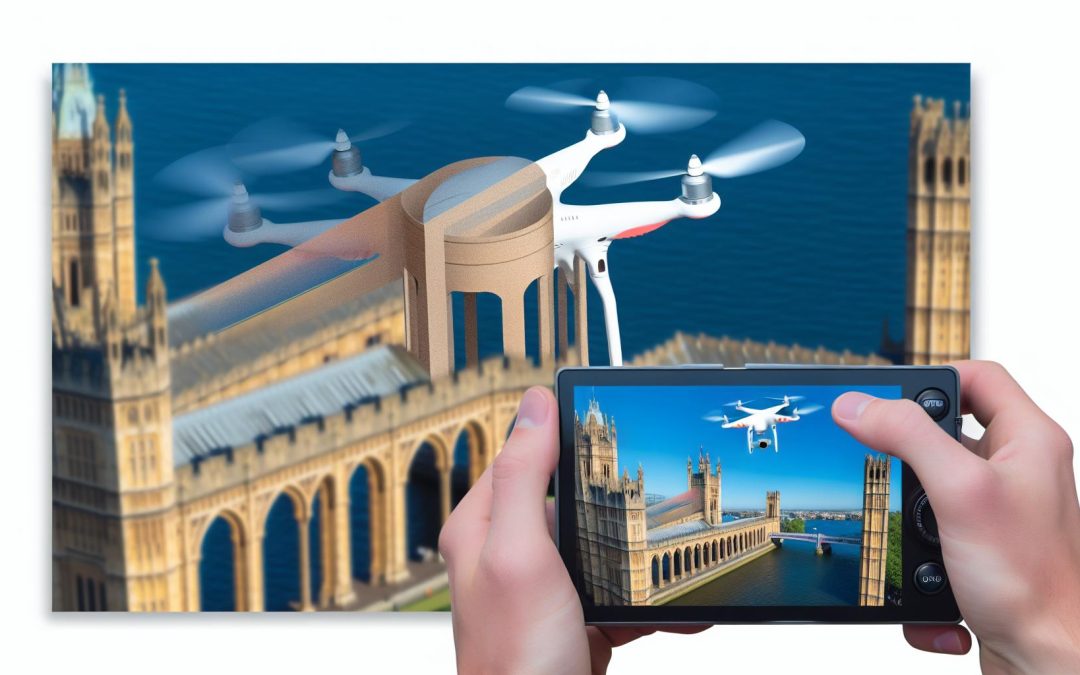
Navigating the skies in the UK come 2026 will demand more than talent for capturing stunning aerial shots. New rules will reshape drone usage, licensing requirements, and safety standards. This guide prepares photographers with the insights needed to thrive amidst evolving regulations, ensuring you stay compliant while capturing the sky’s beauty effectively.
Understanding New Drone Regulations
The UK’s drone regulations for 2026 are here, charting new skies for aerial photography.
So, what’s changed? First off, we’ve got stricter weight restrictions. Drones over 2kg now demand more scrutiny. It’s as if they’re asking you: “Are you ready for bigger responsibilities?” Smaller drones, though, continue their free spirit, requiring only standard permissions.
Flight zones, ah, these are getting more interesting. No longer just about avoiding airports. Now, restricted areas might include parks during certain times. They’ve added layers of complexity, keeping us on our toes. So, keeping an updated map handy is a must. Navigating these zones seems almost like a game sometimes, doesn’t it?
Altitude limits haven’t escaped the regulatory net either. The magic number is now 400ft for general use. But, ambitious flights that dare to climb higher might mean jumping through extra hoops. Perhaps that’s where the thrill lies—in the exceptions, right?
Licences for drone pilots? Yes, both recreational and commercial operations have their arenas. Recreational users, you’re not off the hook—basic certification is in order. Commercial pilots have to step it up, qualifying for advanced licenses. Feeling overwhelmed? Resources like a sharp focus on details should help ground any confusion.
Non-compliance? That’s the shadow lurking near every careless drone operator. Imagine hefty fines or worse, license revocation. The stakes, I guess, shape how seriously we take the rules. Maybe it’s a bit heavy, but, perhaps, necessary?
And here’s a thought: best practices? They’re more like friendly reminders. Regularly check the Civil Aviation Authority’s updates, join communities, partake in webinars. Keep that knowledge fresh and alive. Photography demands creativity, but rules, they love precision.
In pursuit of capturing the perfect shot up high, we often dance to the tune of these regulations. They guide, sometimes restrict, but in a way, they channel our creativity within safe boundaries. It’s a tango between the artist’s ambition and regulatory wisdom. Seems fitting, doesn’t it?
Acquiring the Right Licences
Acquiring the right licences for aerial photography in the UK is essential by 2026.
Let’s be honest, navigating the licensing labyrinth feels daunting. Yet, it’s not as intimidating as it seems. There’s a range of permits, one of which is the CAA Permission for Commercial Operations (PfCO). It’s your ticket to legally soar above UK skies, capturing breathtaking views.
Now, a question might pop up: How does one actually acquire such a permit? First, there’s paperwork. Necessary documentation must be gathered. This includes proof of competency—often judged by the completion of a CAA-recognised drone course. The journey often starts with a training organisation like photography business guides, which are useful launching pads.
Next, factor in the fees. We’re talking about spending a few hundred pounds depending on the specific license. Yes, it’s an investment, but it’s the cost of legitimacy. Viewing it as enhancing your craft might make the expense feel less burdensome.
Let’s consider the exams. Passing assessments designed to test your understanding of drone regulations and your practical skills is key. Preparation is your ally. Embrace the plethora of resources available. Attend workshops or online courses, they could make a world of difference.
Easier said than done, right? Well, many photographers offer to guide through this process. Those who’ve already climbed this hill. Sharing experiences and tips, they’ve become educators in their own right. Joining a workshop can transform the ordeal into an insightful experience, unraveling the complexities into manageable steps.
Remember, the occasional roadblock is not the end of the world. Perseverance matters. Believe it or not, it comes down to finding your rhythm with the regulations, much like settling into a perfect composition. You might find contradictions lurking, but rationale always wins out.
In the grand tapestry that is drone photography, licensing is just another piece—albeit, a crucial one. Don’t rush. Take one step at a time, and it’ll all click into place as you move forward.
Ensuring Drone Safety and Quality Shots
Safety is at the heart of aerial photography.
Before lifting your drone into the sky, pre-flight rituals are your foundation. Securely charging batteries, examining propeller condition, and ensuring up-to-date firmware might seem obvious, but they lay the groundwork for everything to come. Don’t underestimate the weather either. A sudden gust can turn an ideal flight into a precarious situation. Checking the forecast becomes second nature.
Imagine you’re setting up for a shot and out of nowhere, a problem. Maybe a technical glitch or unexpected disturbance. This is where having an emergency protocol transforms chaos into calm. Equip yourself with knowledge, like knowing how to perform an immediate landing. This could save not just your drone, but also the meticulous work you’ve put into planning your shots.
The marriage of technology and artistry in aerial photography is true. Products like DJI’s Phantom Series lay testament to that. Their advanced sensors and intelligent modes enable artists to focus more on composition rather than the intricacies of manual controls. But, relying solely on tech isn’t enough. Your expertise should always steer the ship.
Let’s not forget about managing the light. Time of day, cloud cover, and even the position of the sun can play a massive part in determining the quality of your shots. This isn’t just about safety, but also capturing breathtaking imagery. Experimenting during the golden hour or under cloud-dotted skies can offer textures you’d otherwise miss.
For those venturing deeper, consider embracing new trends that enhance both safety and imagery. AI-guided flight paths aid capturing dramatic shots, while obstacle avoidance tech ensures collisions are stories of the past. They offer a safety net, but you still need to bring the human touch—the soul—to every capture.
It’s more than staying abreast of equipment. It’s about wielding this knowledge creatively. To master this craft requires practice and perhaps guidance. If you’re seeking personalised insight to elevate your aerial game, I’d recommend reaching out through Alex Smale’s contact page. After all, exploring these skies and unraveling techniques ensures each shot tells a story, merging the boundary of earth and sky.
Final words
By embracing the upcoming changes in UK drone regulations, photographers can continue to capture breathtaking aerial imagery while maintaining compliance. With the right licenses and safety measures, utilizing innovative technology becomes second nature. For personalized guidance on navigating these changes and leveraging new trends, reach out to connect with experts who empower your photography journey.