
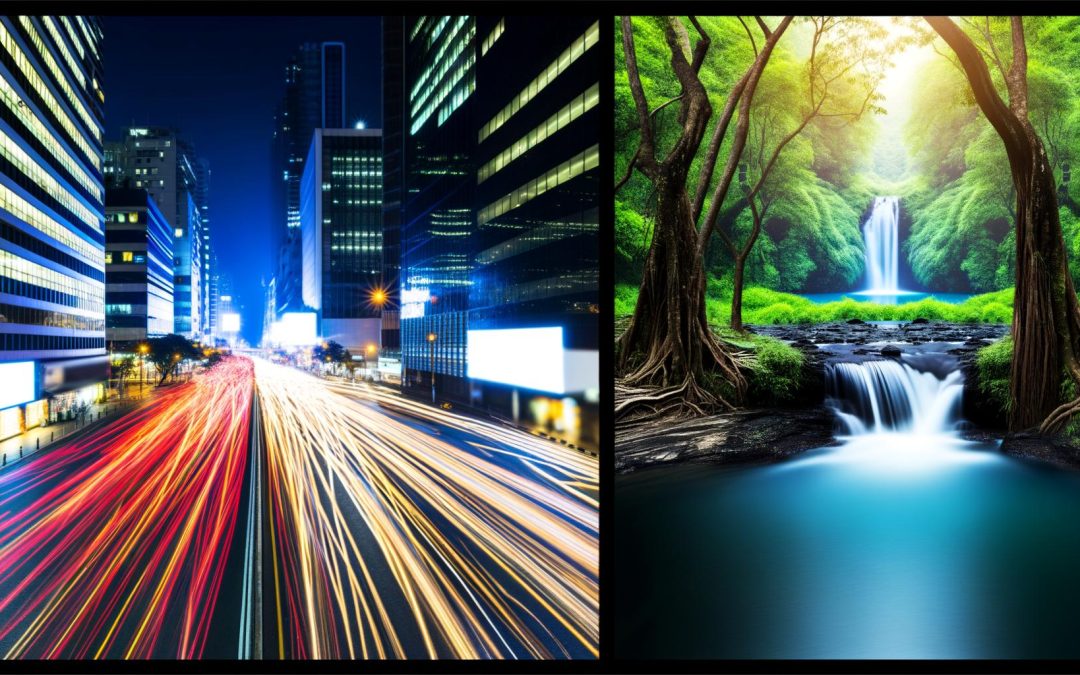
Unlock the potential of your smartphone by mastering the art of long exposure photography. Discover how to capture breathtaking light trails and flowing waterfalls using just your phone. Leverage the latest trends and techniques to enhance your photography skills and create stunning visuals with ease.
Understanding Phone Long Exposure Photography
Phone cameras possess a surprising capability: capturing long exposure shots.
Long exposure photography on your phone can unlock a world of visual magic, revealing the vibrant streaks of light trails or the ethereal beauty of silky waterfalls. Many people overlook just how potent these tiny devices are in freezing and stretching time in a single frame. But let’s talk about how you can wield this tool like a pro.
Shutter speed is key. Adjusting it allows your phone to capture motion over time, from the cascade of a waterfall to the movement of city traffic. While traditional cameras have dedicated settings, phones require apps or manual adjustments. You don’t need to be a tech wizard to manage this either.
ISO settings also play a crucial role. Increasing ISO makes your camera more sensitive to light, perfect for low-light settings when capturing light trails. Just watch out for noise in your photos.
Stabilisation, whether using a tripod or a stable surface, is crucial. Even a slight shake can ruin a long exposure shot.
While professional cameras offer more control, your phone is perfectly capable too. Beginners can achieve results that impress with just a bit of practice. For those curious about more techniques, check out Alex Smale’s guide on taking better phone photos.
Best Apps and Settings for iPhone and Android
Capturing dazzling light trails or a serene waterfall with a smartphone isn’t witchcraft. It’s about knowing your tools.
For the iPhone enthusiast, Slow Shutter Cam makes long exposure a breeze. Over on Android, Long Exposure Camera 2 delivers similar versatility. These apps let you manually tweak shutter speed, ensuring you get that silky waterfall or those dreamlike light trails.
But, here’s the crux: settings matter. Start with your ISO, keeping it low—say 100—to avoid graininess. The shutter speed? Well, there’s no perfect number, but experimenting between 2 to 10 seconds should do the trick for most scenes.
I remember fumbling with my settings on an evening trip once. Took ages but when it clicked, the results were mesmerising. Don’t forget to steady that phone, either with a tripod or against a stable surface.
And when editing, apps like Snapseed make it a doddle. Play with contrast and shadows to fine-tune your masterpiece. For inspiration, consider the ideas explored in this creative photography guide. Dive into these apps and settings, and watch your mobile photography transform into something extraordinary.
Capturing Enchanting Light Trails
Mastering the art of capturing light trails on your smartphone is an achievable goal.
Finding the ideal location is the first step. Busy streets, bustling intersections, or areas around amusement parks are often treasure troves of motion, offering endless possibilities for stunning photos. Timing is key, say, just after sunset—or the blue hour as photographers might say—when light plays in harmony with the shadows.
Once you’ve chosen your location, it’s time to position yourself. The angle can make or break the shot. Experiment with perspectives—maybe get a bit low to let those trails sweep across the frame dramatically.
Moving traffic, cyclists, or even amusement rides can infuse life into your photos. Their rapid motion helps create captivating compositions. Now, securing your phone is a must. A small tripod, like the Manfrotto PIXI, can make a world of difference. Steady hands, or, well, steady phone, is the way to go.
Minimising noise and avoiding overexposure can be a bit tricky, but manageable with practice. A lower ISO setting can help keep the image noise under control. Playing with the shutter speed, perhaps start with a few seconds and extend based on the ambient light and the speed of your moving subjects.
Don’t just settle for ordinary. Keep an open mind, allow errors, and you just might stumble upon enchanting, unique patterns of light trails that are truly your own. Remember, the magic often lies in the unpredictable.
And if you’re looking for detailed guidance on selecting the right time for your shoot, you might find this blog quite insightful.
Smooth Waterfalls and Flowing Streams
Long exposure on a smartphone can turn a simple water stream into liquid magic.
Let’s talk about that dreamy effect. It’s not as tricky as you might think, even with a phone. The key? The right settings. You’ll want a slower shutter speed—like 1-3 seconds—to capture that silky motion. And guess what? Some nifty apps like Slow Shutter Cam (Apple) let you control this on an iPhone.
Now, composition is where your creative flair comes into play. Don’t just snap randomly. Find a perspective that compliments the natural flow. Try capturing the water as it spills over rocks or around bends. Sometimes an elevated angle offers a surprising view. Maybe it’s something I only stumbled across once at a creek, but these hidden angles can make all the difference.
You ever tried ND filters for mobile? They can be game-changers. By reducing the light entering the lens, you can stretch those exposures even longer without overblowing the highlights. For those wanting more on composition, consider browsing Photography Composition Techniques That Work.
But there’s no substitute for patience. Waterfalls and streams might resist cooperation. But practice, as always, is your best friend.
Bringing It All Together and Taking the Next Steps
Phone long exposure is a game-changer for beginner and veteran photographers alike.
As we’ve explored, capturing light trails and waterfalls on your smartphone is not just about snapping a beautiful image. It’s about mastering the interplay of light, time, and motion. Now that you’ve got the basics down, let’s take a moment to consider how these skills elevate your photography journey.
Whether you’re mesmerised by the hypnotic streaks of urban traffic or the gentle cascade of a hidden waterfall, you’ve learned to see and capture the extraordinary in everyday scenes. These techniques, dare I say, can transform a simple outing into a creative quest. The key: practising these techniques until they become second nature.
And really, isn’t that the heart of photography? Showing what’s often unseen in our busy world.
For those yearning to deepen their expertise, professional courses can offer immense value. They can provide structured learning and introduce fresh techniques. If this idea piques your interest, why not explore options like how to take better photos with your phone?
If you’d like more personalised advice, don’t hesitate to connect with us. Whether it’s photography tips or course recommendations, we’re here to help.
Final words
Harnessing your smartphone’s capabilities for long exposure photography allows you to capture stunning visuals. These techniques not only enhance your photography skills but also empower you to create unique and artistic images. By experimenting with settings and learning from experts, you can continue to grow as a photographer and produce breathtaking work.